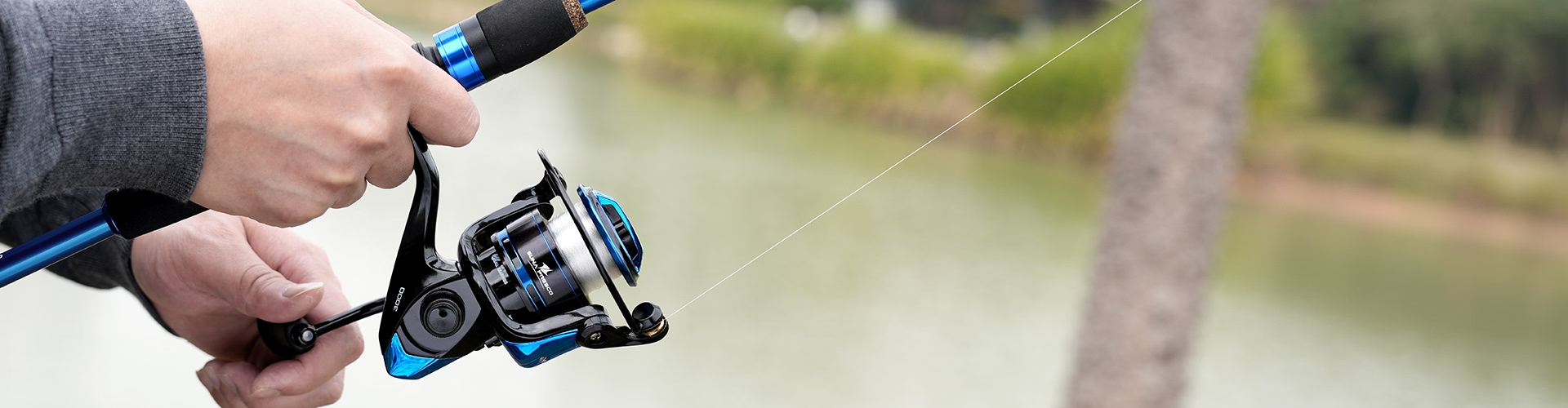
What is the difference between a spinning reel and a casting reel?
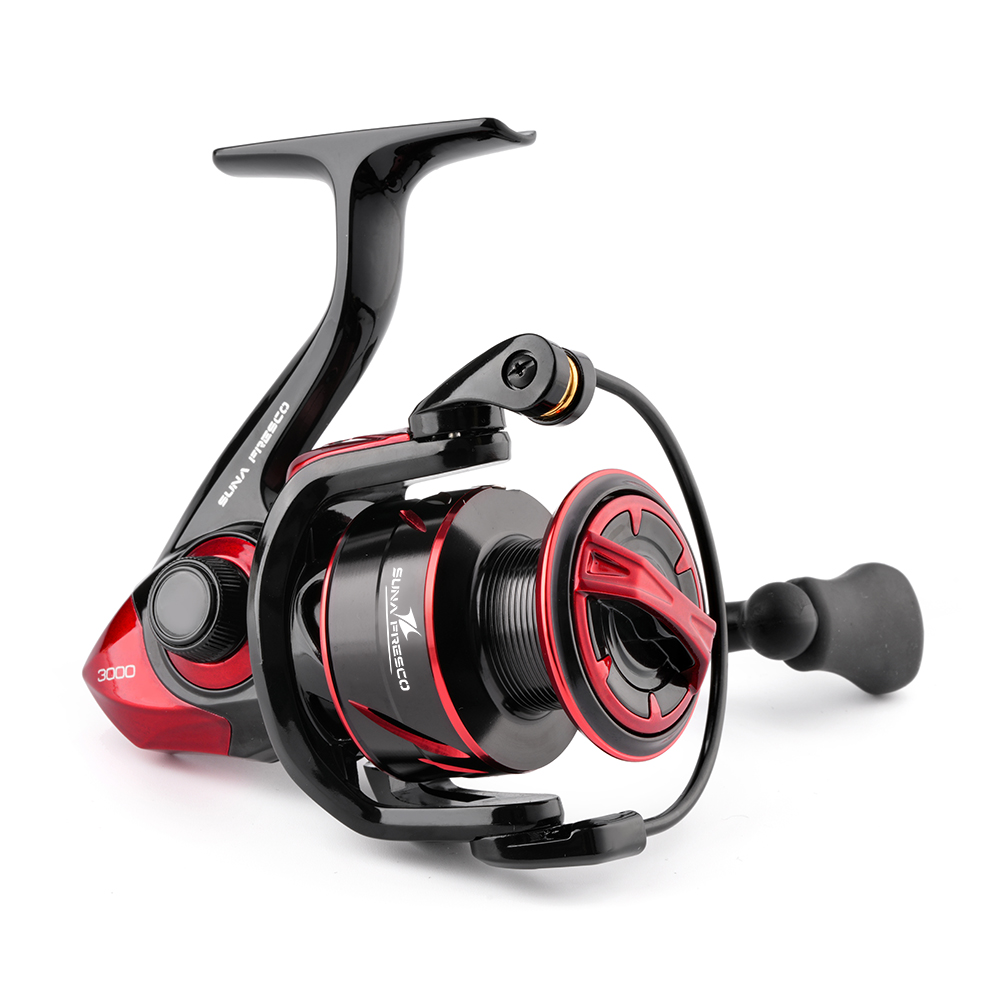
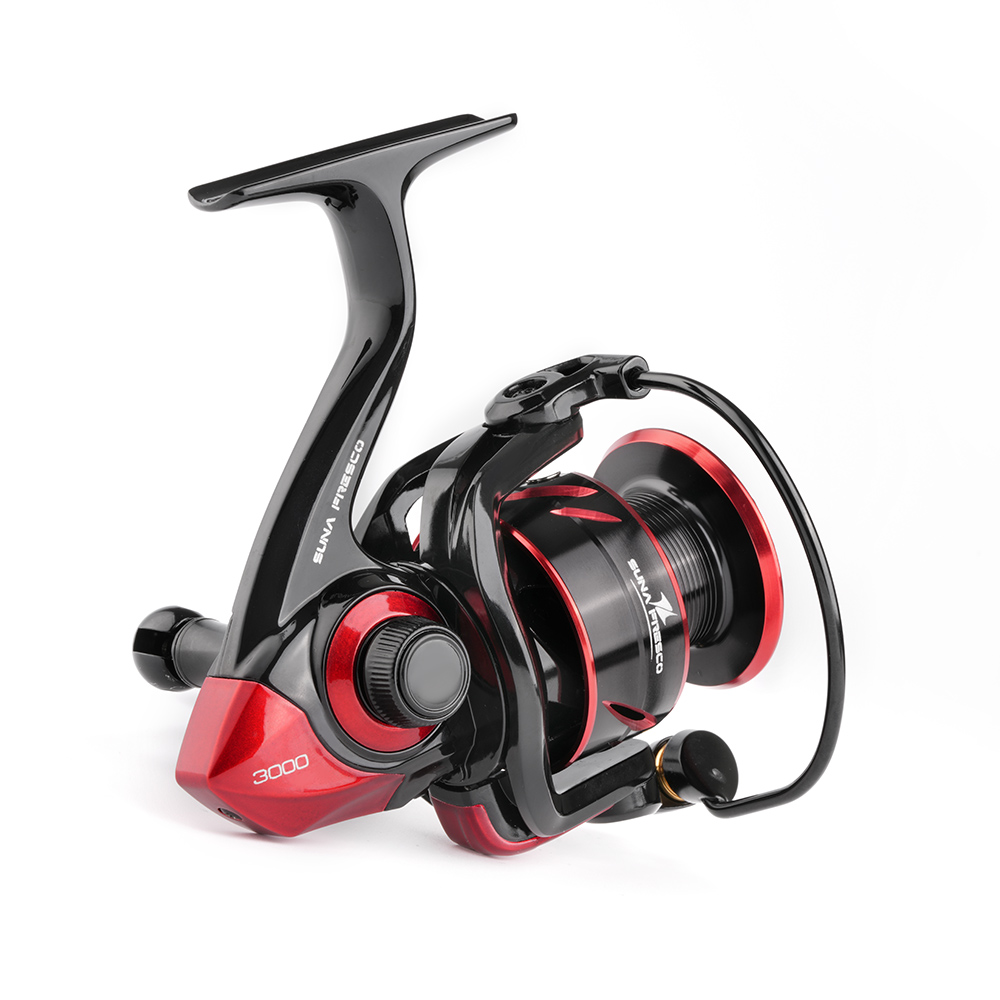
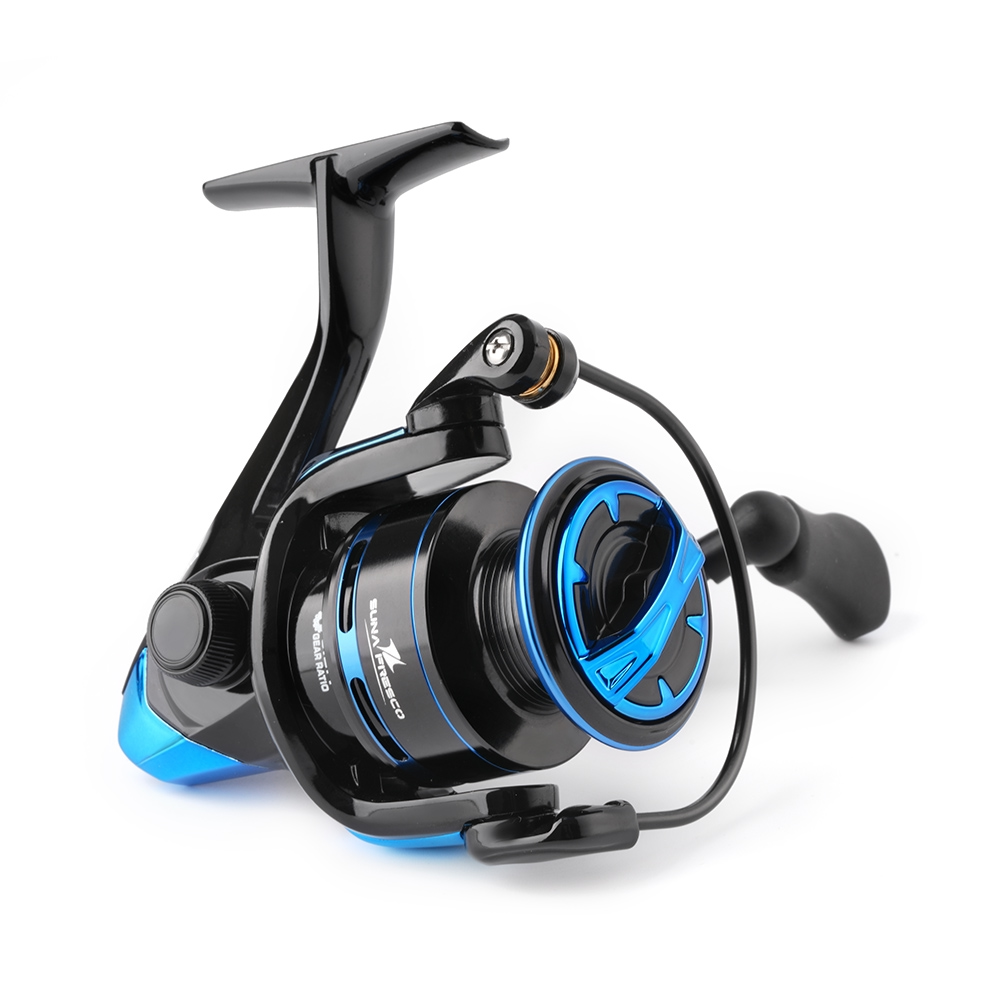
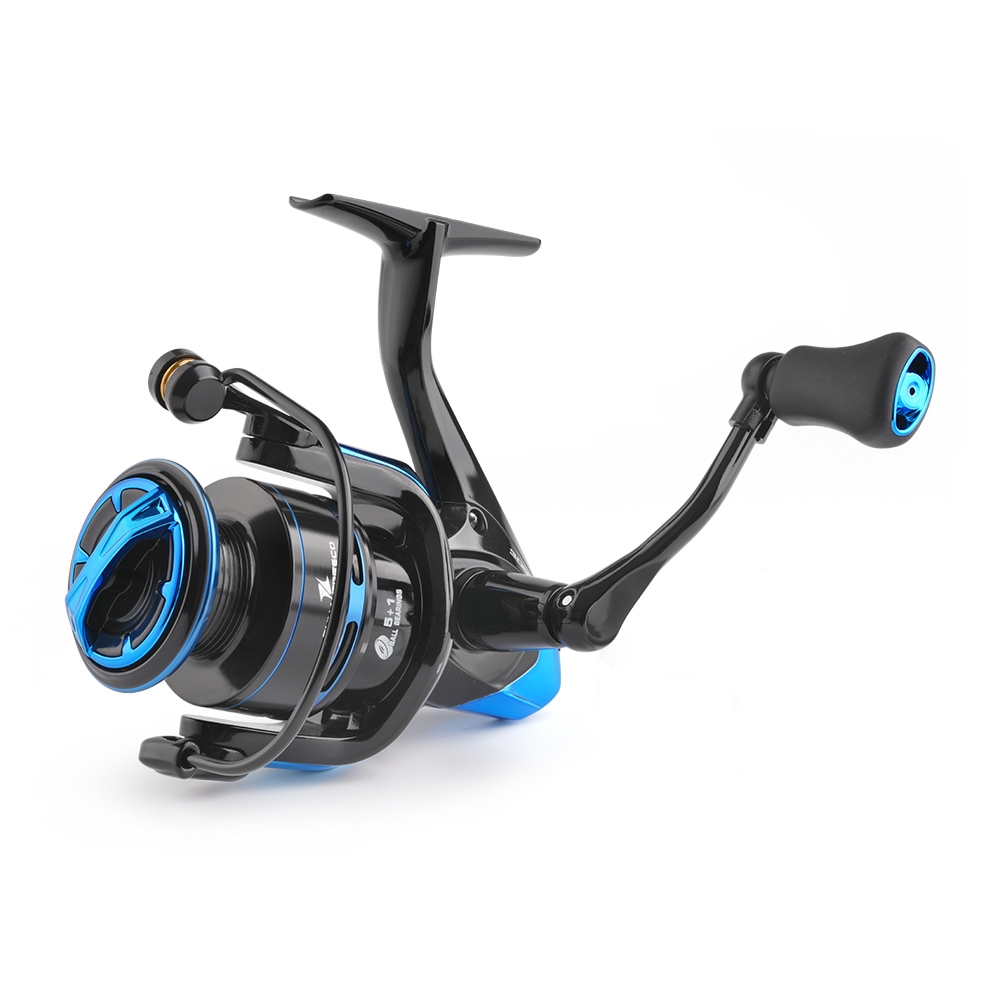
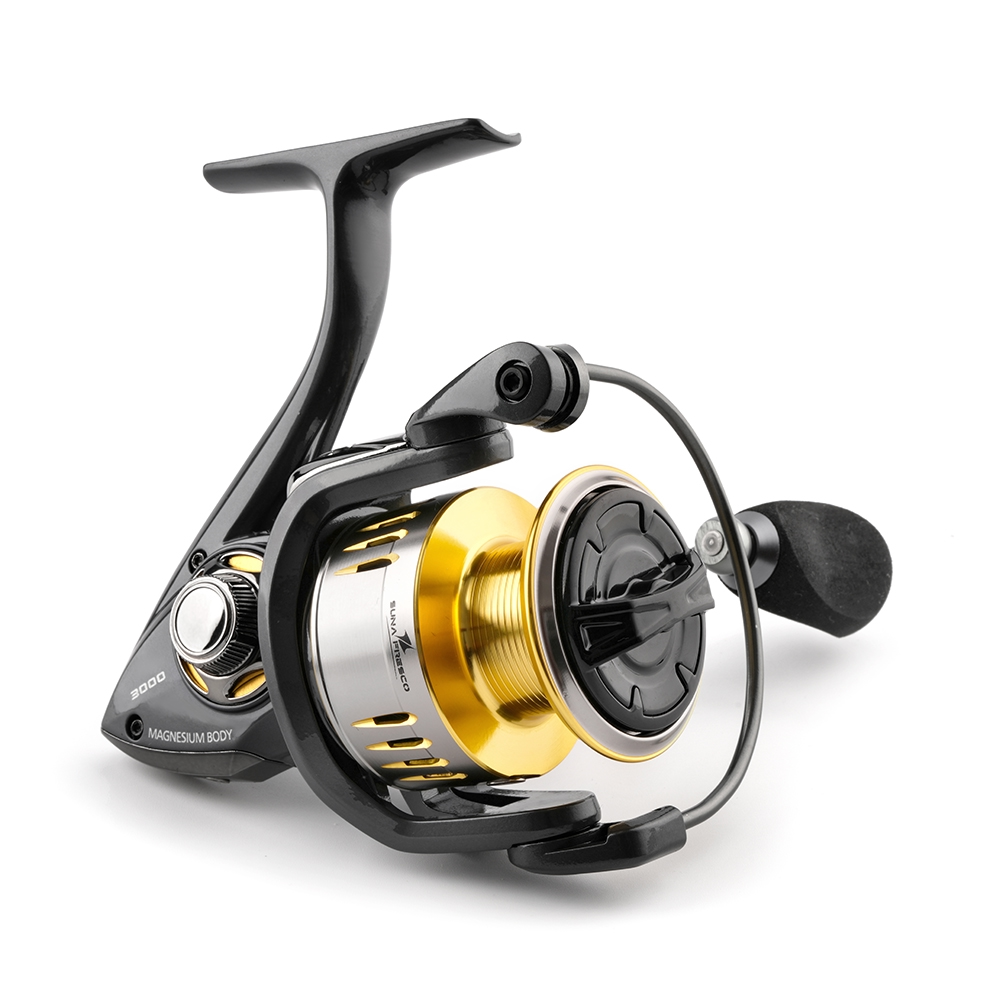
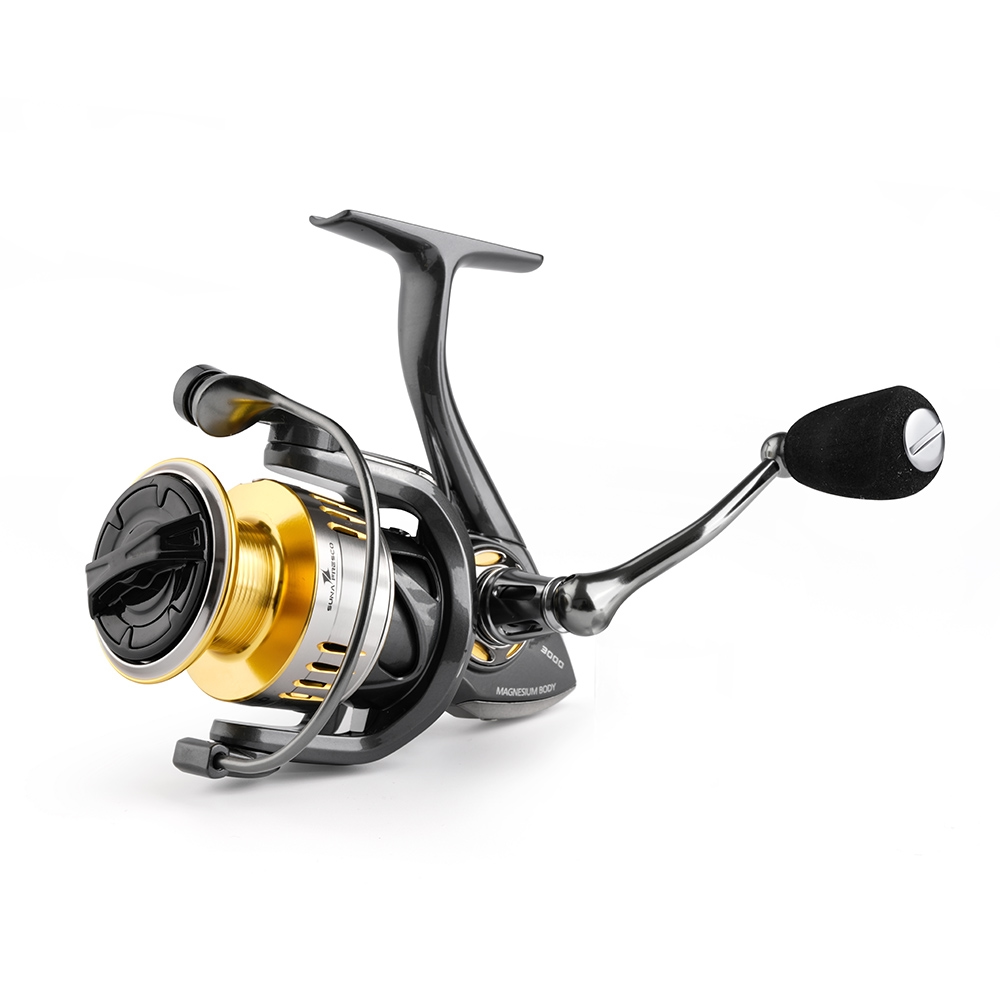
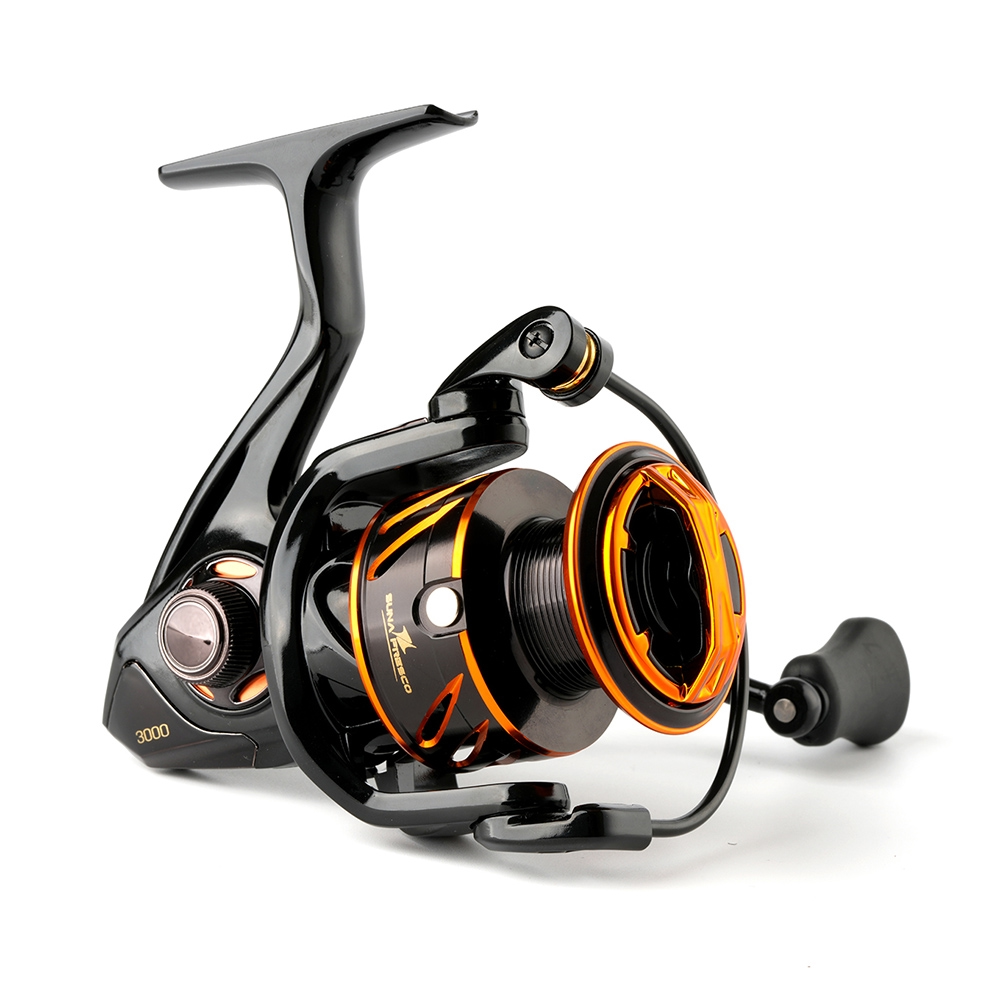
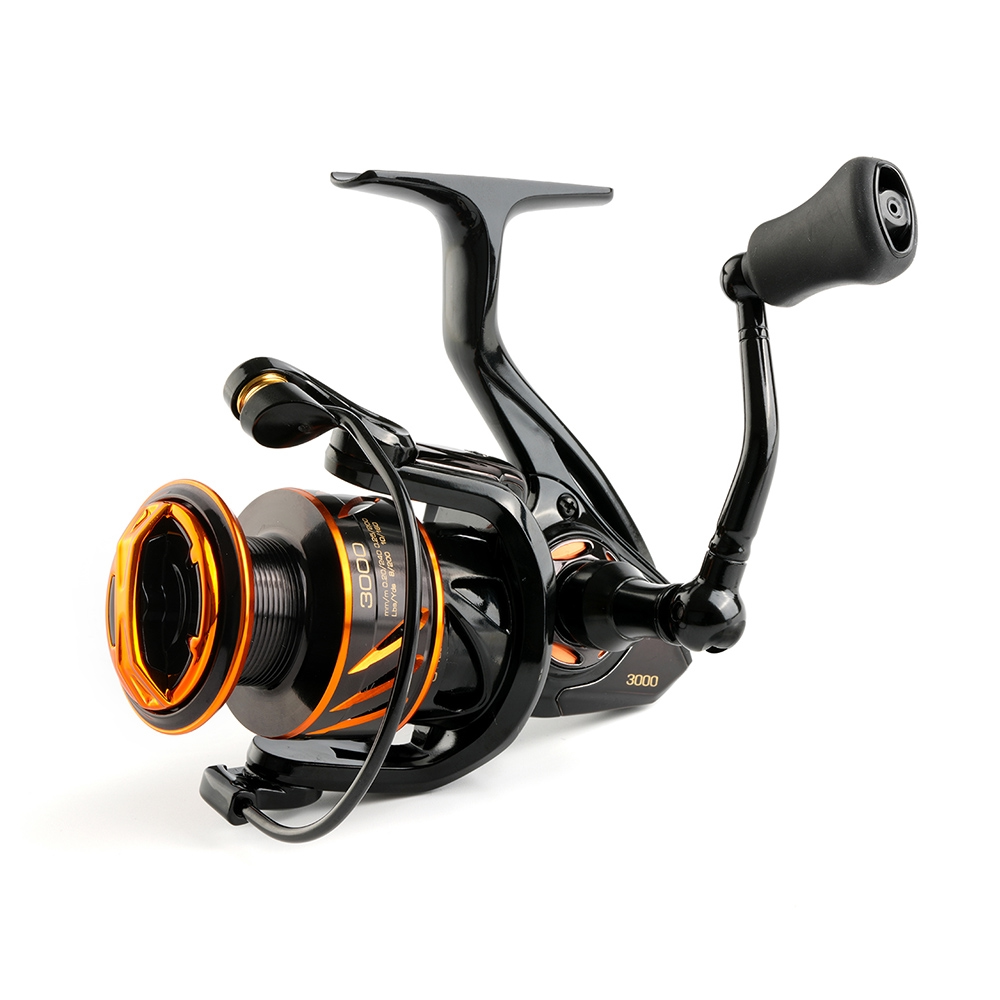
A spinning reel hangs below the rod and is easier for beginners, ideal for light lures and finesse fishing. A casting reel sits on top, offering more power and accuracy for heavier lines and lures, but requires skill to avoid backlashes. Each suits different techniques and experience levels.
What is the best reel for fishing?
The best reel depends on your fishing style. For beginners, a spinning reel is versatile and easy to use. For experienced anglers targeting big fish or using heavy lures, a baitcasting reel offers control and power. Choose based on your target species, technique, and comfort.
How do you get the fishing reel setup?
To set up a fishing reel, attach it securely to the rod, thread the line through the guides, and tie it to the spool using an arbor knot. Wind the line evenly onto the spool, avoiding slack. Set the drag, tie on a hook or lure, and you're ready to fish.
What are the main types of fishing reels?
The main types of fishing reels are spinning, baitcasting, spincast, and fly reels. Spinning reels are versatile and beginner-friendly. Baitcasting reels offer precision for experienced anglers. Spincast reels are simple and tangle-free. Fly reels are used for fly fishing and require special casting techniques.
What reel should I use for which fish?
Use a spinning reel for trout, panfish, or light bass fishing. Baitcasting reels work best for heavier fish like largemouth bass, pike, or muskie. Spincast reels are great for beginners targeting small fish. For fly fishing species like trout or salmon, use a fly reel. Match your reel to the size and strength of the fish you're targeting.